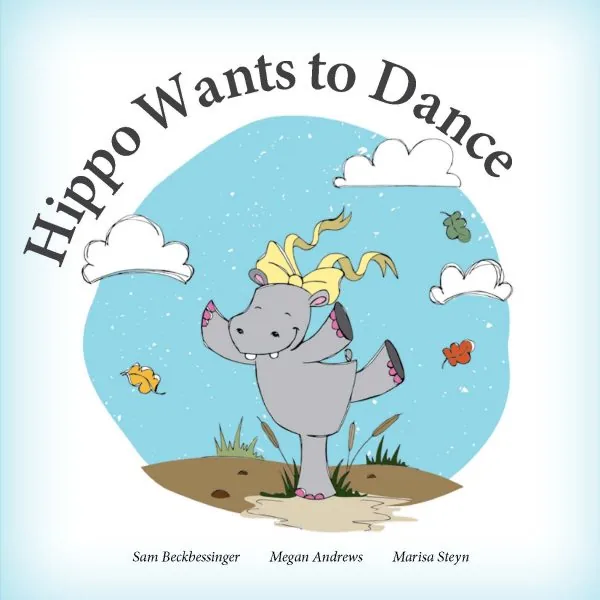
A gentle, rhythmic story in which Hippo keeps dancing despite several animals' complaints; the mood shifts when she cries, then lifts as Grasshopper joins her.
Self-expressionThe available evidence does not establish the book's treatment of this theme. See Confidence & Basis for the evidence gap.ConsiderationThe available evidence does not establish the book's treatment of this theme. See Confidence & Basis for the evidence gap.Kindness· Affirmed
Consider
Social conflictEmotional intensity
Personalised Fit
Sign in to see how this book fits your child and family preferences.
Hippo dances in places where her movement or splashing bothers other animals, who ask her to stop or move elsewhere.Provisional readingProvisional: the reviewed evidence does not establish how the book treats this theme. The evidence gap is listed under Confidence & Basis.Provisional: the reviewed evidence does not establish how the book treats this theme. The evidence gap is listed under Confidence & Basis.
Talk about: How might Hippo dance while taking account of what the others need?
Responding to sadness
After Hippo cries, Grasshopper hears her and begins dancing; the text says the other animals come to look, while the final illustrations suggest they join the dance.FavourableFavourable: the book presents this theme approvingly or positively.Favourable: the book presents this theme approvingly or positively.
How the book presents it: Grasshopper's attentive response is followed by shared dancing, offering a positive picture of companionship without making a broad claim about how sadness is resolved.
Talk about: What might Grasshopper have understood when he heard Hippo crying?
✦
Why It May Be Worth Reading
The repeated pattern makes Hippo's persistence easy to follow, while the change from being alone to dancing together gives the ending a warm, communal feel.
!
What Deserves Attention
Hippo is told to dance elsewhere and asked to do something “useful”; she becomes sad and cries. These moments may invite discussion of exclusion and hurtful remarks.
↔
A Conversation Worth Having
What do you think Grasshopper notices when Hippo is crying, and how does joining her change the scene?
◇
Reading Approach
Read the repeated lines with a steady beat, pausing at each animal's response. Let the child notice the sound effects and expressions, then talk about how the mood changes.
Confidence & Basis
Theme indicators describe how the book presents a topic; they are not a verdict on the whole book or your family's values. Confidence reflects how much book-specific material was checked. The complete text and illustrations were available for this guide.
What remains unconfirmed
Dancing and others' needs: The story does not explicitly judge whether Hippo or the other animals should change their behaviour.
Responding to sadness: The story does not explain Hippo's feelings beyond the immediate scene or show whether the group changes its earlier views.
 Suitabook