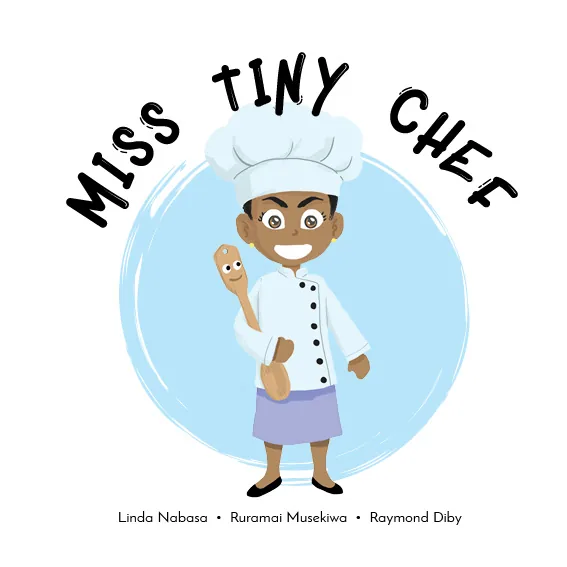
A playful cooking tale about a child’s enthusiasm, an imaginary talking spoon and a meal made for her mother. The story includes a cooking mishap and a warm reconciliation.
IndependenceThe available evidence does not establish the book's treatment of this theme. See Confidence & Basis for the evidence gap.ListeningThe available evidence does not establish the book's treatment of this theme. See Confidence & Basis for the evidence gap.MistakesThe available evidence does not establish the book's treatment of this theme. See Confidence & Basis for the evidence gap.
Consider
Emotional intensity
Personalised Fit
Sign in to see how this book fits your child and family preferences.
Kasini sometimes follows the talking spoon's cooking advice and sometimes chooses to do things her own way.MixedMixed: the book presents both supportive and critical signals.Mixed: the book presents both supportive and critical signals.
How the book presents it: Her enthusiasm and initiative are shown positively, while ignoring the spoon's warning is linked to the soup burning.
Talk about: How might Kasini tell the difference between a moment to try her own idea and one to listen to advice?
Repairing a disagreement
The spoon becomes angry when Kasini disregards it; Kasini apologises, and it returns to brown before she hugs it.FavourableFavourable: the book presents this theme approvingly or positively.Favourable: the book presents this theme approvingly or positively.
How the book presents it: The story presents an apology and affectionate reunion as a way back from this particular disagreement.
Talk about: What might make an apology feel sincere, and are there other ways Kasini could show she cares?
Cooking for family
Kasini prepares a meal for her mother and proudly presents what she has made.FavourableFavourable: the book presents this theme approvingly or positively.Favourable: the book presents this theme approvingly or positively.
How the book presents it: The meal is framed as a loving surprise, though the story does not show the mother's response to eating it.
Talk about: If you made something for someone you care about, what would you hope they noticed about it?
✦
Why It May Be Worth Reading
The illustrations give the spoon a changing expression, making its imagined feelings easy to notice. The story also gives room to talk about trying things, listening to advice and putting mistakes right.
!
What Deserves Attention
Cooking is shown around a lit stove and a steaming pot; the soup burns when Kasini cooks without the spoon. This may be worth discussing if kitchen safety is a current concern.
↔
A Conversation Worth Having
What do you think Kasini likes about cooking, and how might she decide when to follow the spoon’s advice and when to trust her own judgement?
◇
Reading Approach
Pause at the changing spoon illustrations and invite your child to describe its expression. If useful, link the hot pot in the story to your own rules about helping in the kitchen.
Confidence & Basis
Theme indicators describe how the book presents a topic; they are not a verdict on the whole book or your family's values. Confidence reflects how much book-specific material was checked. The complete text and illustrations were available for this guide.
What remains unconfirmed
Trying things and taking advice: The spoon's advice belongs to the story's fantasy; it does not explain how children should make real cooking decisions.
Repairing a disagreement: The story does not explore how this approach would work in different kinds of disagreements.
Cooking for family: The ending shows the meal being offered, not the mother's reaction or whether she eats it.
 Suitabook