 Suitabook
Learning and everyday life
The child’s week alternates school learning with activities alongside siblings and extended family.
Book details
Komar Rien Komar Cheh - Author
Originally published by The Asia Foundation - Let’s Read.
Brought to you by Let’s Read is a program of The Asia Foundation that supports early reading skills and habits to develop our next generation of critical thinkers and creative innovators in Asia and the Pacific. To read more books like this and get further information about this book, visit: letsreadasia.org. 10 Original Story Seven Days. Author: Komar Rien Komar Cheh. Illustrator: Hin Koemyean. Published by The Asia Foundation - Let’s Read, © The Asia Foundation - Let’s Read. Released under CC-BY-4.0. This work is a modified version of the original story. © The Asia Foundation, 2020. Some rights reserved. Released under CC-BY-4.0. For full terms of use and attribution, http://creativecommons.org/licenses/by/4.0/ Contributing translators: Chheang Chansomey
author: Komar Rien Komar Cheh. illustrator: Hin Koemyean. translator: Chheang Chansomey. publisher: The Asia Foundation - Let’s Read.
Cover resized and converted to WebP; story unchanged. Suitabook’s guidance is a separate analysis.
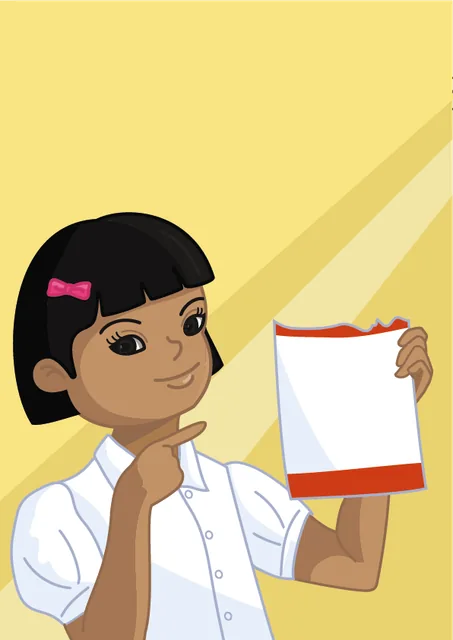
Original Book on Let’s Read: Seven Days (opens in a new tab)A cheerful weekly routine combines school learning with time alongside siblings, parents and grandparents. The repeated structure makes the days easy to follow, while the illustrations show the activities.
Book Brief
Sign in to see how this book fits your child and family preferences.
Sign in for personalised guidanceA cheerful weekly routine combines school learning with time alongside siblings, parents and grandparents. The repeated structure makes the days easy to follow, while the illustrations show the activities.
The child’s week alternates school learning with activities alongside siblings and extended family.
The narrator’s happiness is stated plainly, but the book does not explore whether every child would feel the same about a busy week or these activities.
This is a grounded book brief while Suitabook strengthens the analysis: the book’s treatment of its main themes is not yet firm enough; some draft conclusions still depend on unresolved evidence.
Anything not established here remains open; it is not being treated as absent or safe.