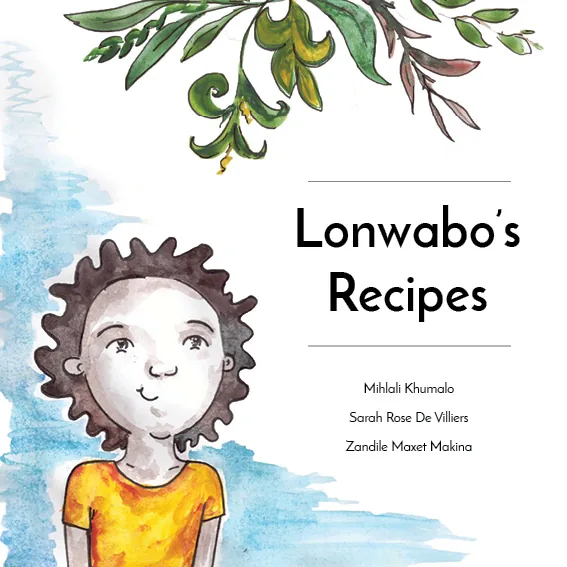
Originally published by Book Dash. Writer: Mihlali Kumalo. Illustrator: Sarah-Rose de Villiers. Designer: Zandile “Maxet” Makina. Editor: Linda Nelani.
Cover resized and converted to WebP; artwork unchanged. Suitabook’s AI guidance is a separate assessment.
Gender rolesThe available evidence does not establish the book's treatment of this theme. See Confidence & Basis for the evidence gap.GardeningThe available evidence does not establish the book's treatment of this theme. See Confidence & Basis for the evidence gap.Social expectationsThe available evidence does not establish the book's treatment of this theme. See Confidence & Basis for the evidence gap.
Consider
Social conflict
Personalised Fit
Sign in to see how this book fits your child and family preferences.
Lonwabo’s friends say fetching water is a girl’s job and that he should not do it.Provisional readingProvisional: the reviewed evidence does not establish how the book treats this theme. The evidence gap is listed under Confidence & Basis.Provisional: the reviewed evidence does not establish how the book treats this theme. The evidence gap is listed under Confidence & Basis.
Talk about: Does Lonwabo’s response change how you think about who can do a particular kind of work?
Family knowledge and aspiration
Lonwabo learns about ingredients from his grandmother, writes down recipes and imagines naming a restaurant after her.FavourableFavourable: the book presents this theme approvingly or positively.Favourable: the book presents this theme approvingly or positively.
How the book presents it: The story presents his curiosity and ambition positively, connecting them with affection for his grandmother and her cooking.
Talk about: What might Lonwabo want to remember about his grandmother when he makes a meal?
✦
Why It May Be Worth Reading
The pictures make the garden, meals and Lonwabo’s expressions central to the story. His interest develops through everyday family moments, including asking his grandmother about ingredients and writing them down.
!
What Deserves Attention
The exchange is brief: Lonwabo laughs them off and continues, with no further confrontation shown.
↔
A Conversation Worth Having
What might Lonwabo hope to include in a restaurant named after his grandmother?
◇
Reading Approach
Pause at the garden and recipe scenes to notice what Lonwabo is doing and how he appears to feel. Invite the child to describe the pictures before discussing the friends’ comment.
Confidence & Basis
Theme indicators describe how the book presents a topic; they are not a verdict on the whole book or your family's values. Confidence reflects how much book-specific material was checked. The complete text and illustrations were available for this guide.
What remains unconfirmed
Gender and everyday work: The friends’ gendered assumption about fetching water is not explored beyond this exchange.
Family knowledge and aspiration: The restaurant remains an imagined future; the story does not show whether he opens it.
 Suitabook