Creativity· AffirmedIndividuality· AffirmedSocial isolationThe available evidence does not establish the book's treatment of this theme. See Confidence & Basis for the evidence gap.
Consider
Grief and lossSocial conflictFamily disruption
Personalised Fit
Sign in to see how this book fits your child and family preferences.
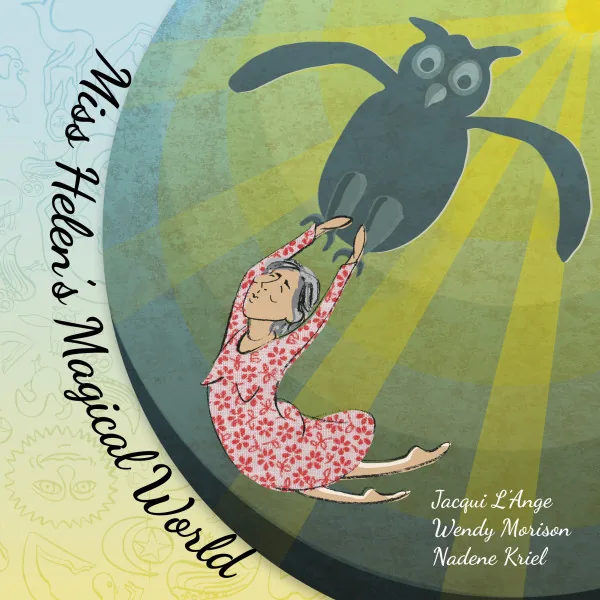
Helen fills her garden with handmade creatures and uses glass, mirrors and lamps to make light.FavourableFavourable: the book presents this theme approvingly or positively.Favourable: the book presents this theme approvingly or positively.
How the book presents it: The book presents this favourably.
Talk about: What parts of the garden seem to express Helen’s way of seeing the world?
Being treated as different
Helen has few friends; some villagers mock her, while others bring materials for her sculptures.MixedMixed: the book presents both supportive and critical signals.Mixed: the book presents both supportive and critical signals.
How the book presents it: The community’s response is not uniform, and the story places hurtful behaviour alongside gestures of support.
Talk about: Why might some people have responded differently to Helen’s garden?
Loss and darkness
After her mother dies, Helen fears the dark; later, her eyesight worsens as she grows older.Provisional readingProvisional: the reviewed evidence does not establish how the book treats this theme. The evidence gap is listed under Confidence & Basis.Provisional: the reviewed evidence does not establish how the book treats this theme. The evidence gap is listed under Confidence & Basis.
Talk about: What seems to help Helen feel less afraid, and how might the ending change what darkness means?
✦
Why It May Be Worth Reading
The owl narrator and imaginative art give a child a way into Helen’s unconventional life, while the story also makes room for sadness and unkind treatment.
!
What Deserves Attention
Helen’s mother dies; Helen is shown grieving, and villagers call her names and throw stones at her roof. The book also depicts conflict in her marriage.
↔
A Conversation Worth Having
What do you think the owl means by saying Helen did not see darkness when she closed her eyes—and how do the pictures shape your answer?
◇
Reading Approach
Pause around the mother’s death and the villagers’ hostility; let the child set the pace, then look together at how light and colour change in the final scenes.
Confidence & Basis
Theme indicators describe how the book presents a topic; they are not a verdict on the whole book or your family's values. Confidence reflects how much book-specific material was checked. The complete text and illustrations were available for this guide.
What remains unconfirmed
Making a world through art: The story offers an admiring, imaginative account rather than a detailed explanation of her artistic choices.
Being treated as different: The book does not explain the neighbours’ motives or explore their perspectives in depth.
Loss and darkness: The owl’s role is imaginative; the book does not establish a literal explanation for Helen’s experience.
 Suitabook